Welcome to Àkwà Bookstore.
Every title on this shelf has been chosen with intention. African and diaspora literature — curated for readers who know the difference between a bookstore and a bridge.
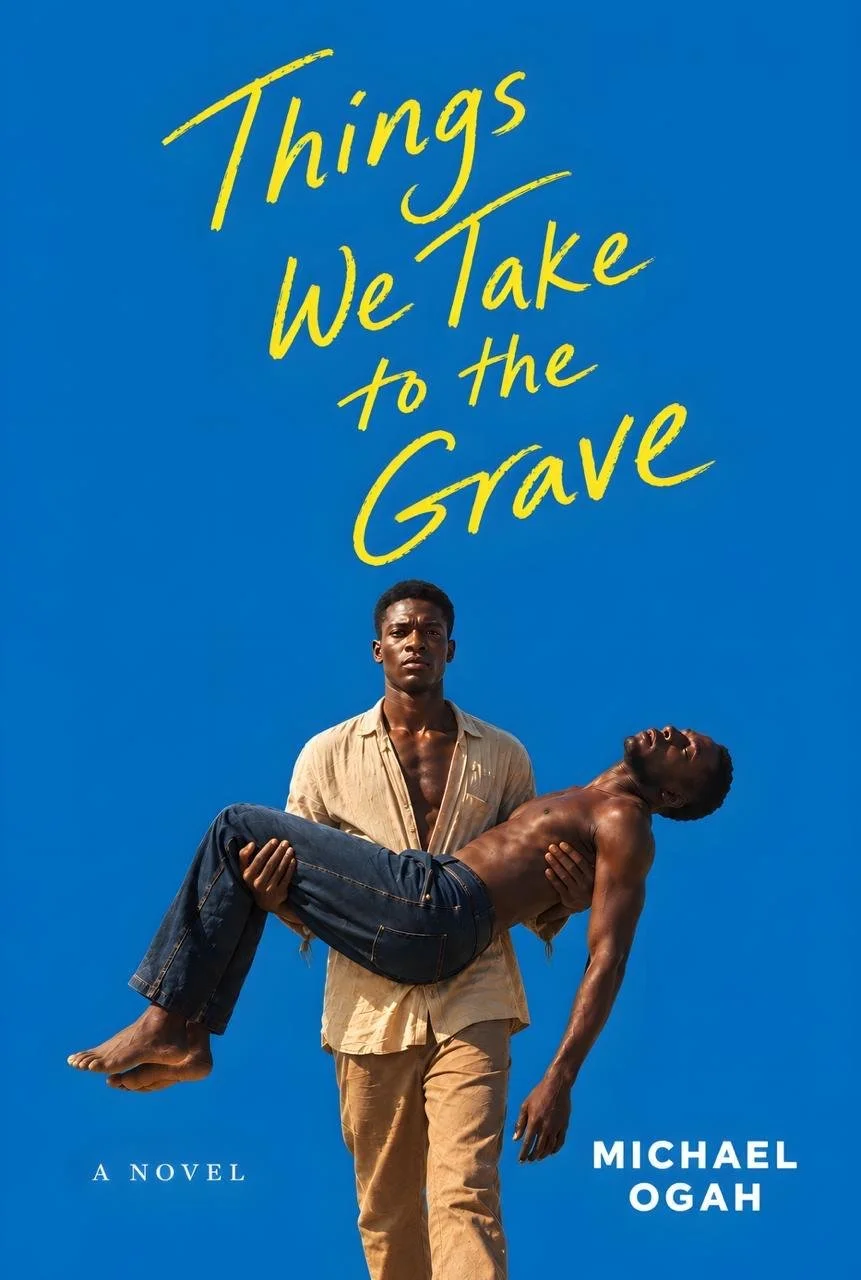
Set in Lagos, Nigeria, before, during, and after the passage of the country’s anti-same-sex-marriage law, a young man endures the ache of unrequited love until he finds “The One.”
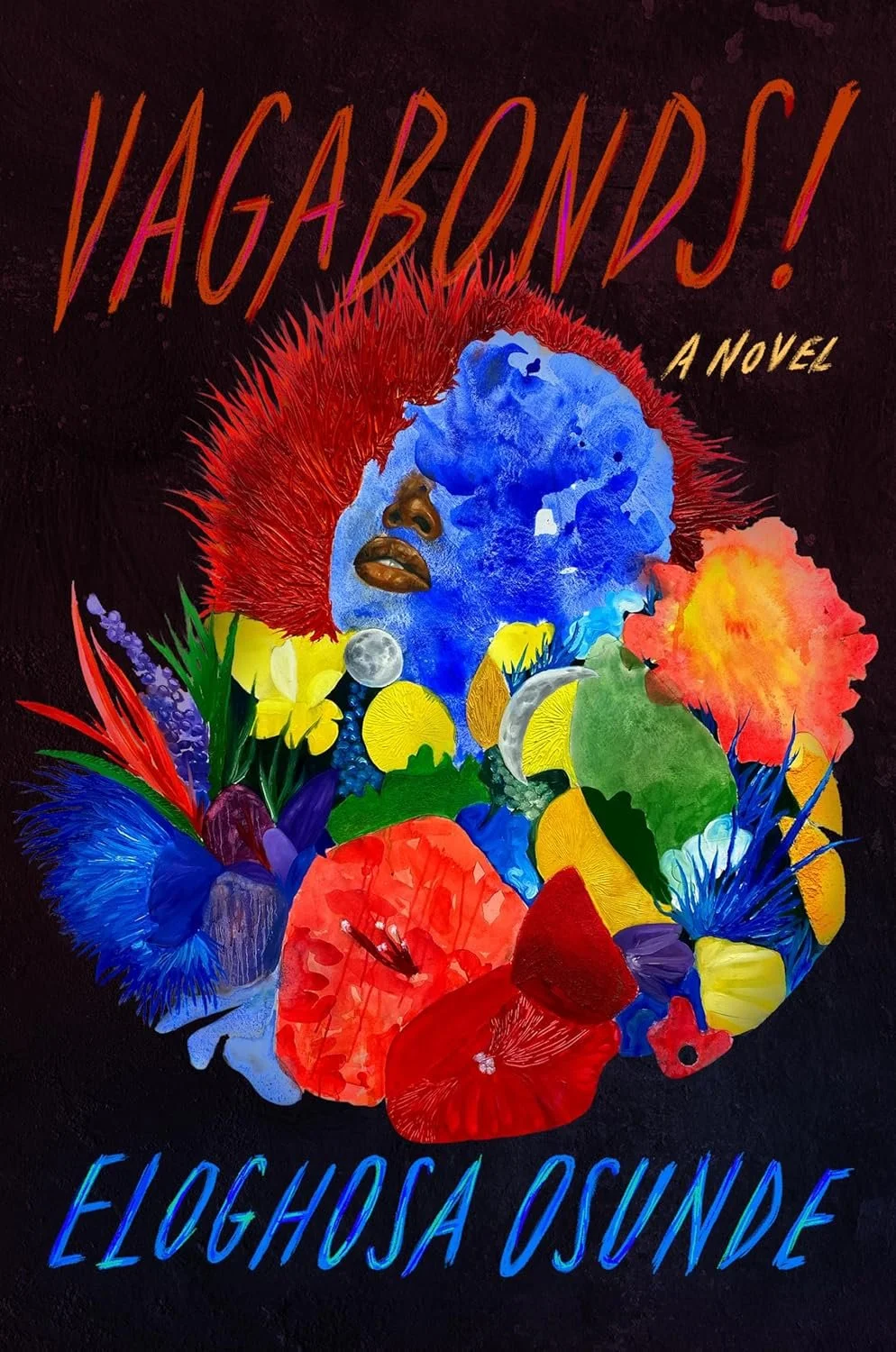
In the bustling streets and cloistered homes of Lagos, a cast of vivid characters—some haunted, some defiant—navigate danger, demons, and love in a quest to lead true lives.
As in Nigeria, vagabonds are those whose existence is literally outlawed: the queer, the poor, the displaced, the footloose and rogue spirits. They are those who inhabit transient spaces, who make their paths and move invisibly, who embrace apparitions, old vengeances and alternative realities. Eloghosa Osunde's brave, fiercely inventive novel traces a wild array of characters for whom life itself is a form of resistance: a driver for a debauched politician with the power to command life and death; a legendary fashion designer who gives birth to a grown daughter; a lesbian couple whose tender relationship sheds unexpected light on their experience with underground sex work; a wife and mother who attends a secret spiritual gathering that shifts her world. As their lives intertwine—in bustling markets and underground clubs, churches and hotel rooms—vagabonds are seized and challenged by spirits who command the city's dark energy. Whether running from danger, meeting with secret lovers, finding their identities, or vanquishing their shadowselves, Osunde's characters confront and support one another, before converging for the once-in-a-lifetime gathering that gives the book its unexpectedly joyous conclusion.
Blending unvarnished realism with myth and fantasy, Vagabonds! is a vital work of imagination that takes us deep inside the hearts, minds, and bodies of a people in duress—and in triumph.
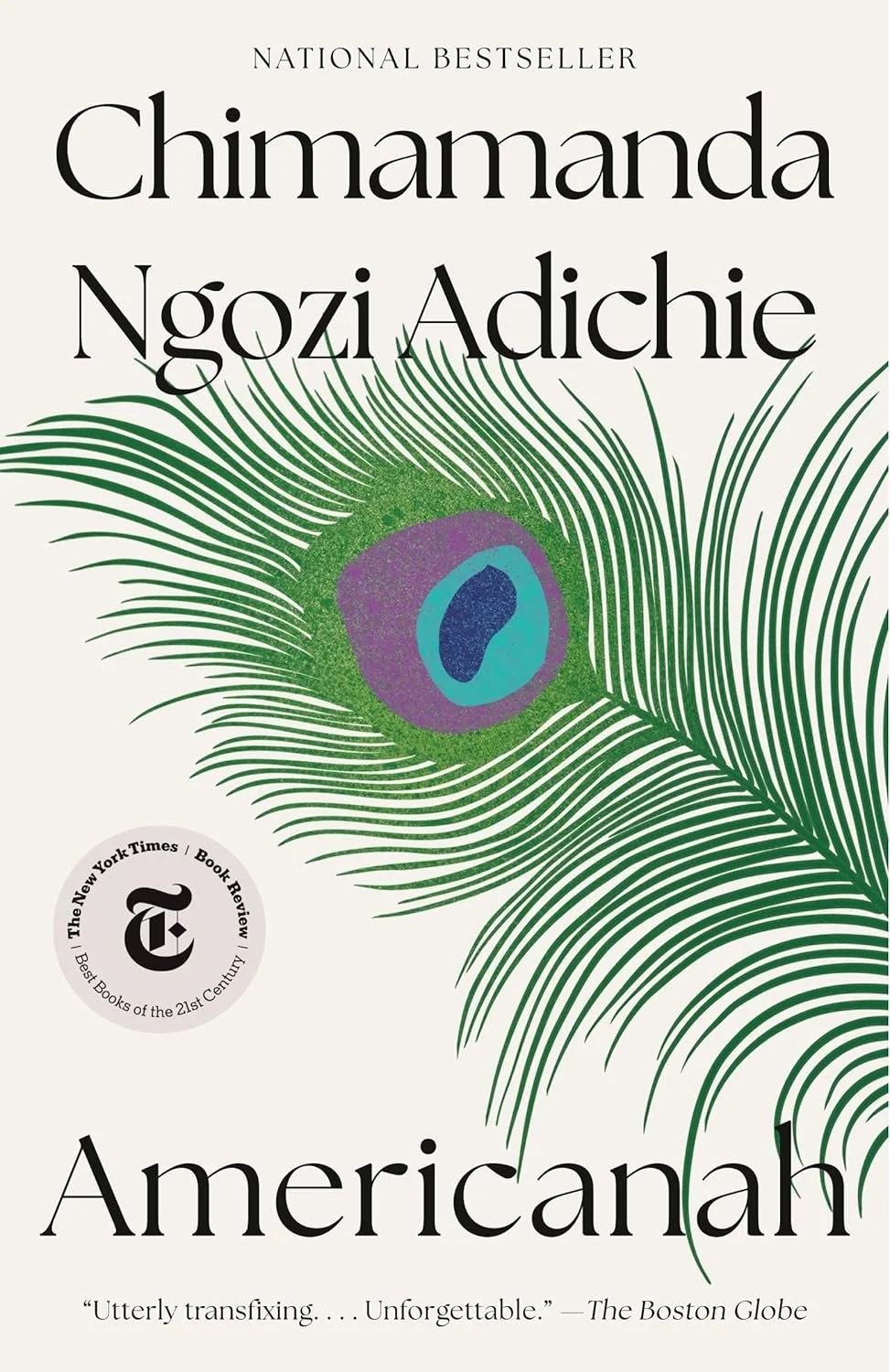
Ifemelu and Obinze are young and in love when they depart military-ruled Nigeria for the West. Beautiful, self-assured Ifemelu heads for America, where despite her academic success, she is forced to grapple with what it means to be Black for the first time. Quiet, thoughtful Obinze had hoped to join her, but with post–9/11 America closed to him, he instead plunges into a dangerous, undocumented life in London.
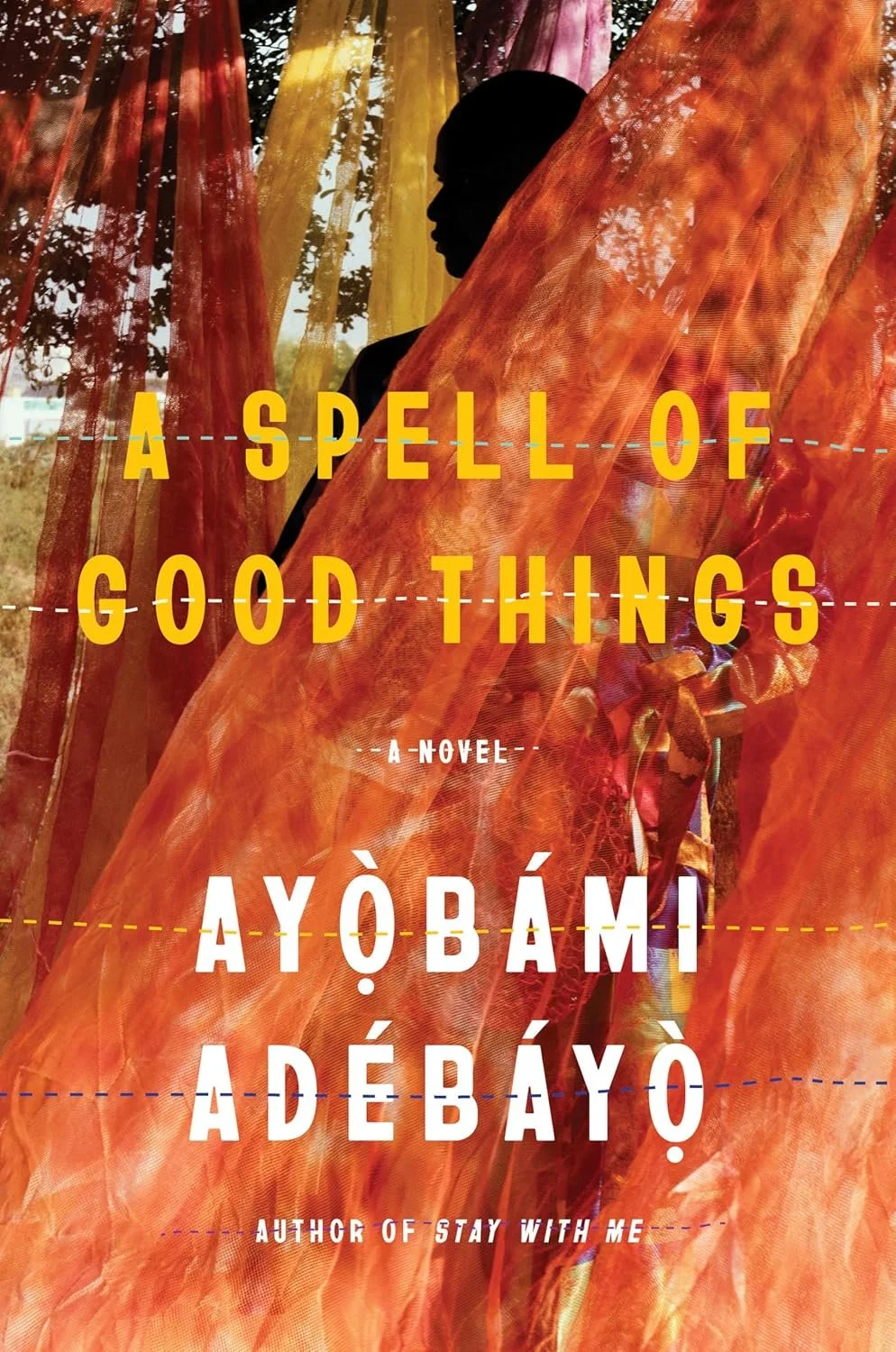
Eniola is tall for his age, a boy who looks like a man. Because his father has lost his job, Eniola spends his days running errands for the local tailor, collecting newspapers, begging when he must, dreaming of a big future.
Wuraola is a golden girl, the perfect child of a wealthy family. Now an exhausted young doctor in her first year of practice, she is beloved by Kunle, the volatile son of an ascendant politician.
When a local politician takes an interest in Eniola and sudden violence shatters a family party, Wuraola's and Eniola’s lives become intertwined. In her breathtaking second novel, Ay?`bámi Adébáy?` shines her light on Nigeria, on the gaping divide between the haves and the have-nots, and the shared humanity that lives in between.
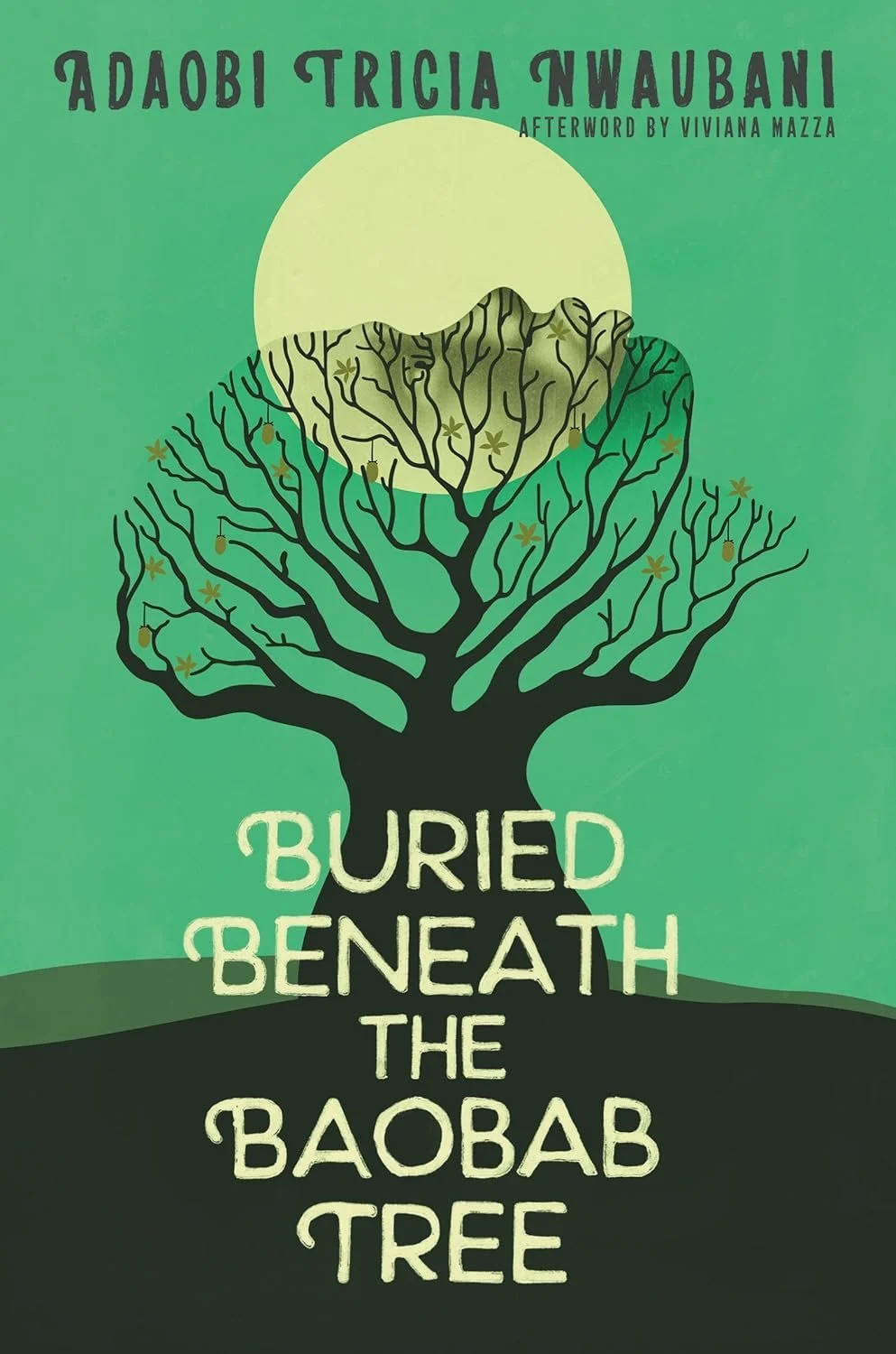
Based on interviews with young women who were kidnapped by Boko Haram, this poignant novel by Adaobi Tricia Nwaubani tells the timely story of one girl who was taken from her home in Nigeria and her harrowing fight for survival. Includes an afterword by award-winning journalist Viviana Mazza.
A new pair of shoes, a university degree, a husband—these are the things that a girl dreams of in a Nigerian village. And with a government scholarship right around the corner, everyone can see that these dreams aren’t too far out of reach.
But the girl’s dreams turn to nightmares when her village is attacked by Boko Haram, a terrorist group, in the middle of the night. Kidnapped, she is taken with other girls and women into the forest where she is forced to follow her captors’ radical beliefs and watch as her best friend slowly accepts everything she’s been told.
Still, the girl defends her existence. As impossible as escape may seem, her life—her future—is hers to fight for.
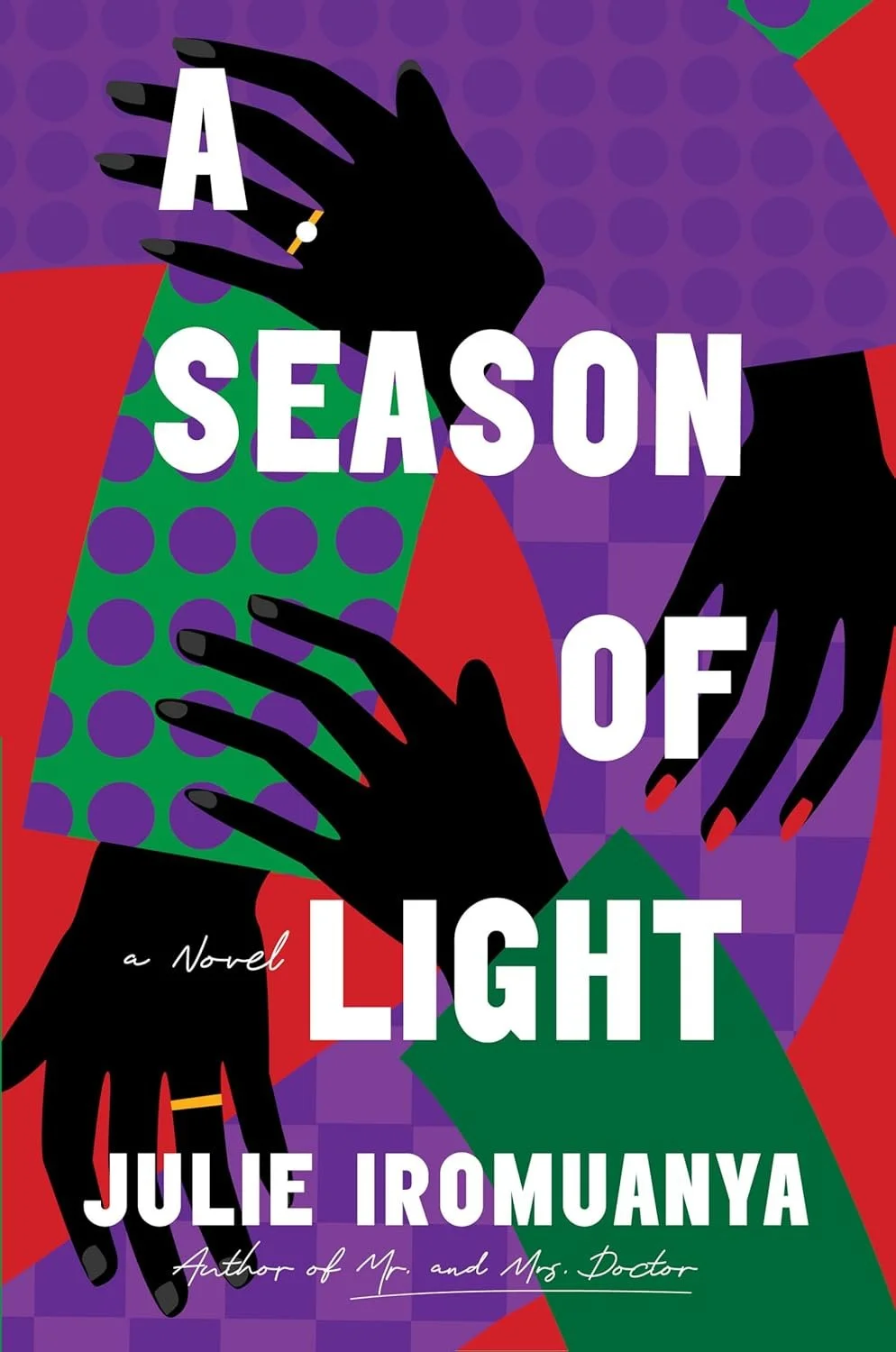
When 276 schoolgirls are abducted from their school in Nigeria, Fidelis Ewerike, a Florida-based barrister, poet, and former POW of the Nigerian Civil War, begins to go mad, consumed by memories of his younger sister Ugochi, who went missing during that conflict. Consumed by survivor’s guilt and fearful that the same fate awaits Amara, his sixteen-year-old daughter who bears an uncanny resemblance to Ugochi, Fidelis locks her in her bedroom, offering no words of explanation, only lovingly—if poorly—made meals and sweets.
Amid that singular action, the Ewerike family spirals into chaos: After unsuccessful attempts to free her daughter from her room, his wife Adaobi seeks the counsel of a preacher, praying for spiritual liberation from the curse she is certain has plagued her family since leaving Nigeria. Fourteen-year-old Chuk, beset by his own war with the neighborhood boys, receives a painful education on force, masculinity, and his tenuous position within his family. And rebellious, resentful Amara is hungry for her life to be hers, so the moment she is able to escape her imprisonment, she falls in love—not with the Aba-born engineer-in-training her mother envisages, but with Maksym Kostyk, the son of the town drunk. Before long, the two have concocted a plan to run away from the trappings of their familial traumas.
Perfect for readers of Sing, Unburied, Sing, Julie Iromuanya's A Season of Light is an all-consuming masterpiece. To peer into the window of the Ewerike family’s lives is a gift.
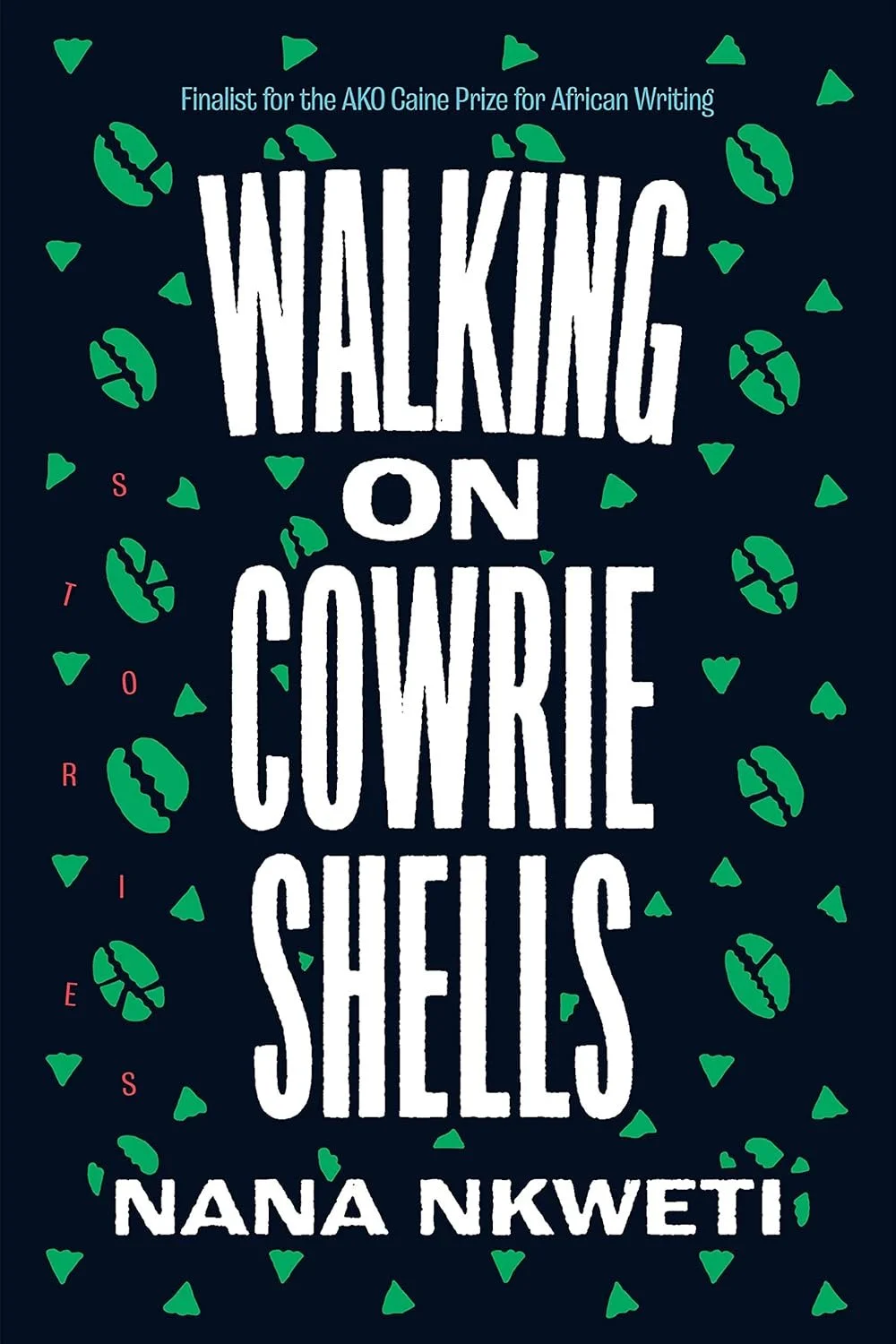
In her powerful, genre-bending debut story collection, Nana Nkweti’s virtuosity is on full display as she mixes deft realism with clever inversions of genre. In the Caine Prize finalist story “It Takes a Village, Some Say,” Nkweti skewers racial prejudice and the practice of international adoption, delivering a sly tale about a teenage girl who leverages her adoptive parents to fast-track her fortunes. In “The Devil Is a Liar,” a pregnant pastor’s wife struggles with the collision of western Christianity and her mother’s traditional Cameroonian belief system as she worries about her unborn child.
In other stories, Nkweti vaults past realism, upending genre expectations in a satirical romp about a jaded PR professional trying to spin a zombie outbreak in West Africa, and in a mermaid tale about a Mami Wata who forgoes her power by remaining faithful to a fisherman she loves. In between these two ends of the spectrum there’s everything from an aspiring graphic novelist at a comic con to a murder investigation driven by statistics to a story organized by the changing hairstyles of the main character.
Pulling from mystery, horror, realism, myth, and graphic novels, Nkweti showcases the complexity and vibrance of characters whose lives span Cameroonian and American cultures. A dazzling, inventive debut, Walking on Cowrie Shells announces the arrival of a superlative new voice.
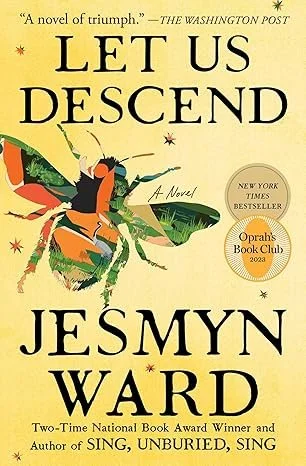
Annis, sold south by the white enslaver who fathered her, is the reader’s guide. As she struggles through the miles-long march, Annis turns inward, seeking comfort from memories of her mother and stories of her African warrior grandmother. Throughout, she opens herself to a world beyond this world, one teeming with spirits: of earth and water, of myth and history; spirits who nurture and give, and those who manipulate and take. While Annis leads readers through the descent, hers is ultimately a story of rebirth and reclamation.
From one of the most singularly brilliant and beloved writers of her generation, this “[s]earing and lyrical…raw, transcendent, and ultimately hopeful” (The Atlanta Journal-Constitution) novel inscribes Black American grief and joy into the very land—the rich but unforgiving forests, swamps, and rivers of the American South. Let Us Descend is Jesmyn Ward’s most magnificent novel yet.
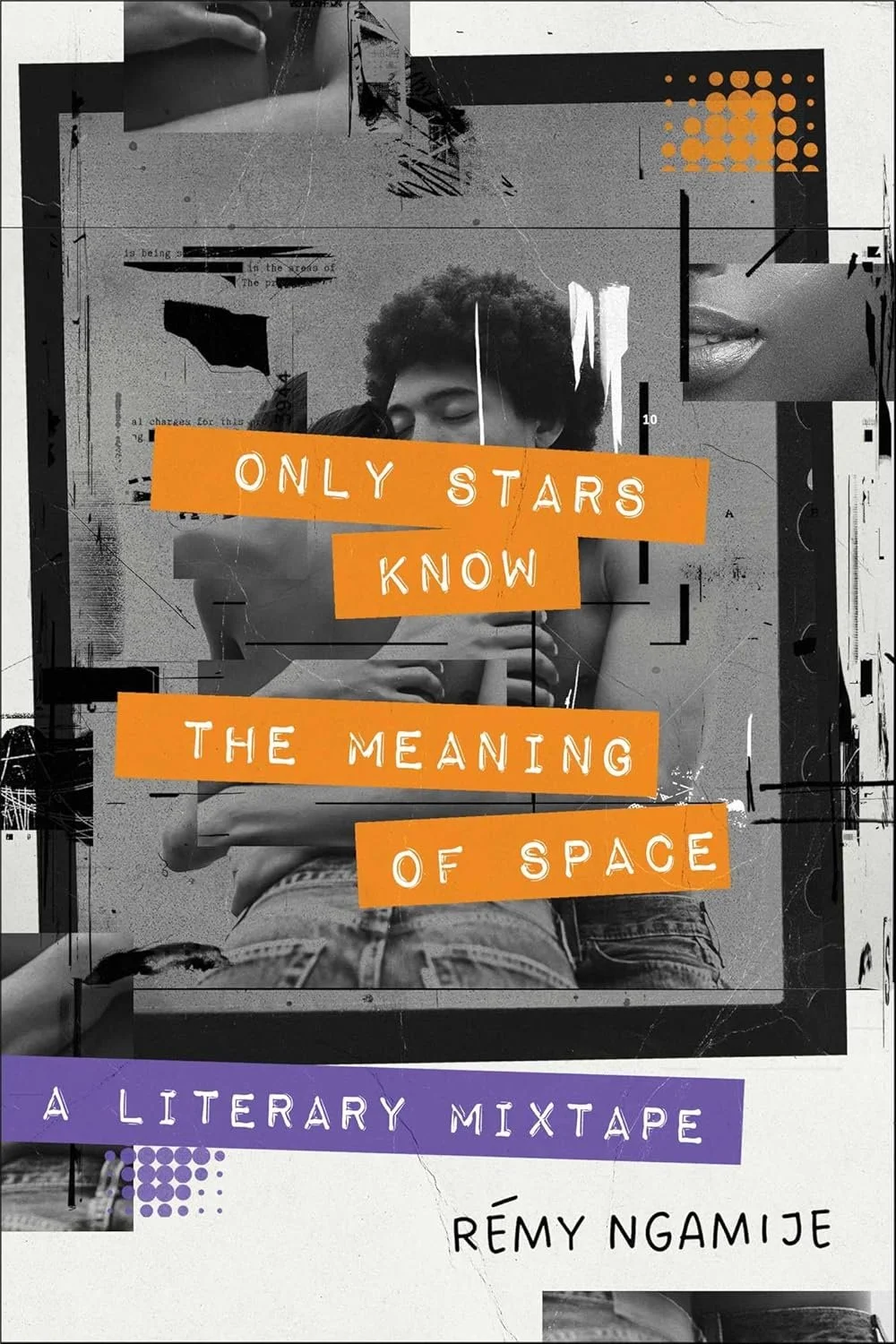
Presented as a literary mixtape, Only Stars Know the Meaning of Space is a work that provides you with a uniquely modern reading experience. The A-Side, read as one narrative, tells the story of a soon-to-be thirty-year-old aspiring writer navigating a complicated world. The B-Side, taken as a separate experience, features (seemingly) independent and unrelated short stories.
There’s “Crunchy, Green Apples (or, Omo)”, a story about loss told by the strangest of narrative devices: a shopping list. “Sofa, So Good, Sort Of (or, John Muafangejo)” is a first-person account of a family’s history and a long journey towards hope. A group of friends attempts to navigate a recent breakup in “From the Lost City of Hurtlantis to the Streets of Helldorado (or, Franco).”
A weekend spent antiquing is shadowed by the colonial atrocities that occurred on that land. A walk at dusk is interrupted by casual racism. A loving marriage is riven by mysterious tensions. And a remarkable cascade of voices speaks out from a pulsing metropolis.
We’re invited to experience these events and others through the eyes and ears of Tunde, a West African man working as a teacher of photography on a renowned New England campus. He is a reader, a listener, a traveler, drawn to many different kinds of stories: stories from history and epic; stories of friends, family, and strangers; stories found in books and films. Together these stories make up his days. In aggregate these days comprise a life.
Tremor is a startling work of realism and invention that engages brilliantly with literature, music, race, and history as it examines the passage of time and how we mark it. It is a reckoning with human survival amidst “history’s own brutality, which refuses symmetries and seldom consoles,” but it is also a testament to the possibility of joy. As he did in his magnificent debut Open City, Teju Cole once again offers narration with all its senses alert, a surprising and deeply essential work from a beacon of contemporary literature.
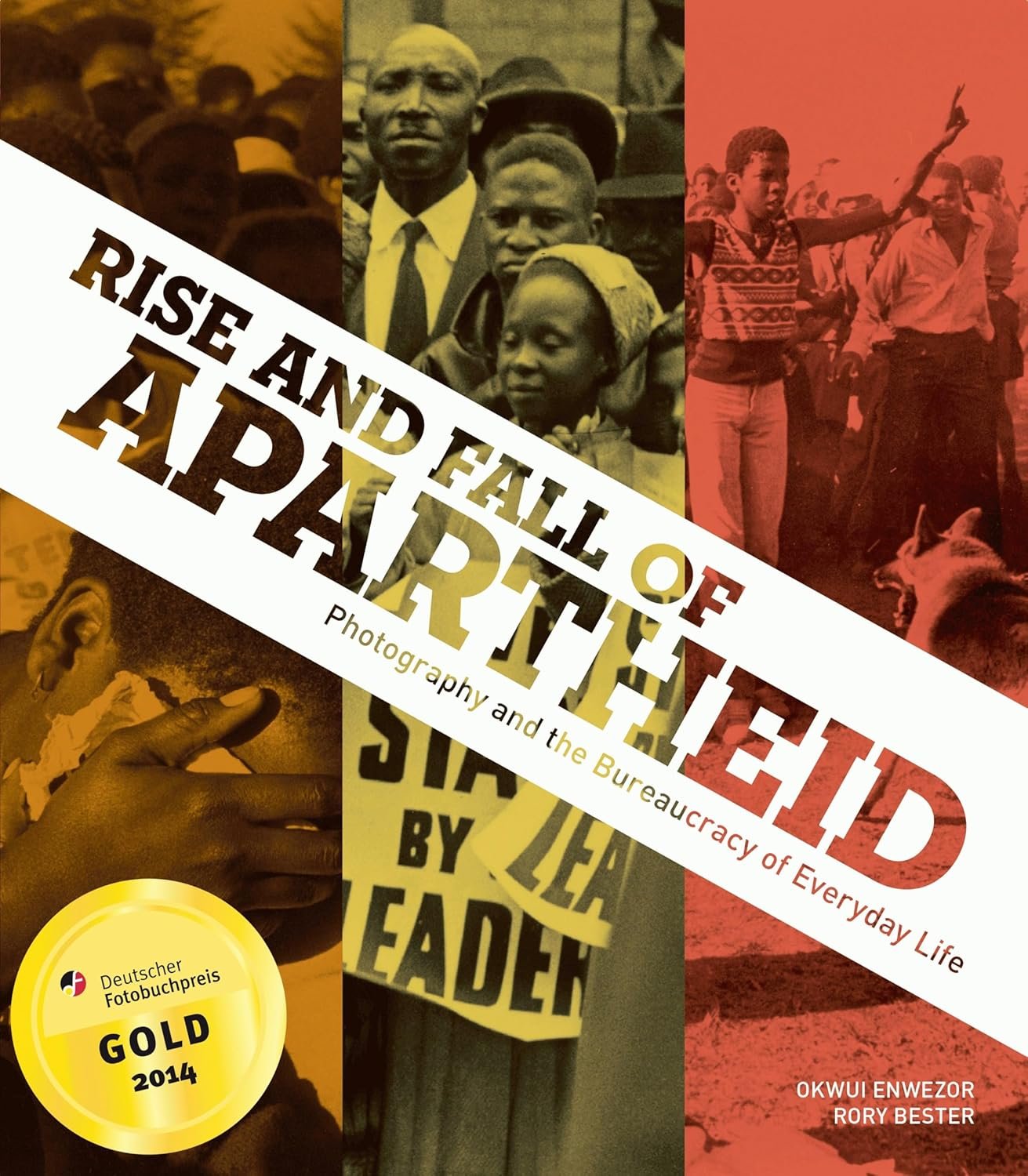
Featuring some of the most iconic images of our time, this unique combination of photojournalism and commentary offers a probing and comprehensive exploration of the birth, evolution, and demise of apartheid in South Africa. Photographers played an important role in the documentation of apartheid, capturing the system's penetration of even the most mundane aspects of life in South Africa. Included in this vivid and compelling volume are works by photographers such as Eli Weinberg, Alf Khumalo, David Goldblatt, Peter Magubane, Ian Berry, and many others. Organized chronologically, it interweaves images and essays exploring the institutionalization of apartheid through the country's legal apparatus; the growing resistance in the 1950s; and the radicalization of the anti-apartheid movement within South Africa and, later, throughout the world. Finally, the book investigates the fall of apartheid, including Mandela's return from exile. Far-reaching and exhaustively researched, this important book features more than 60 years of powerful photographic material that forms part of the historical record of South Africa.
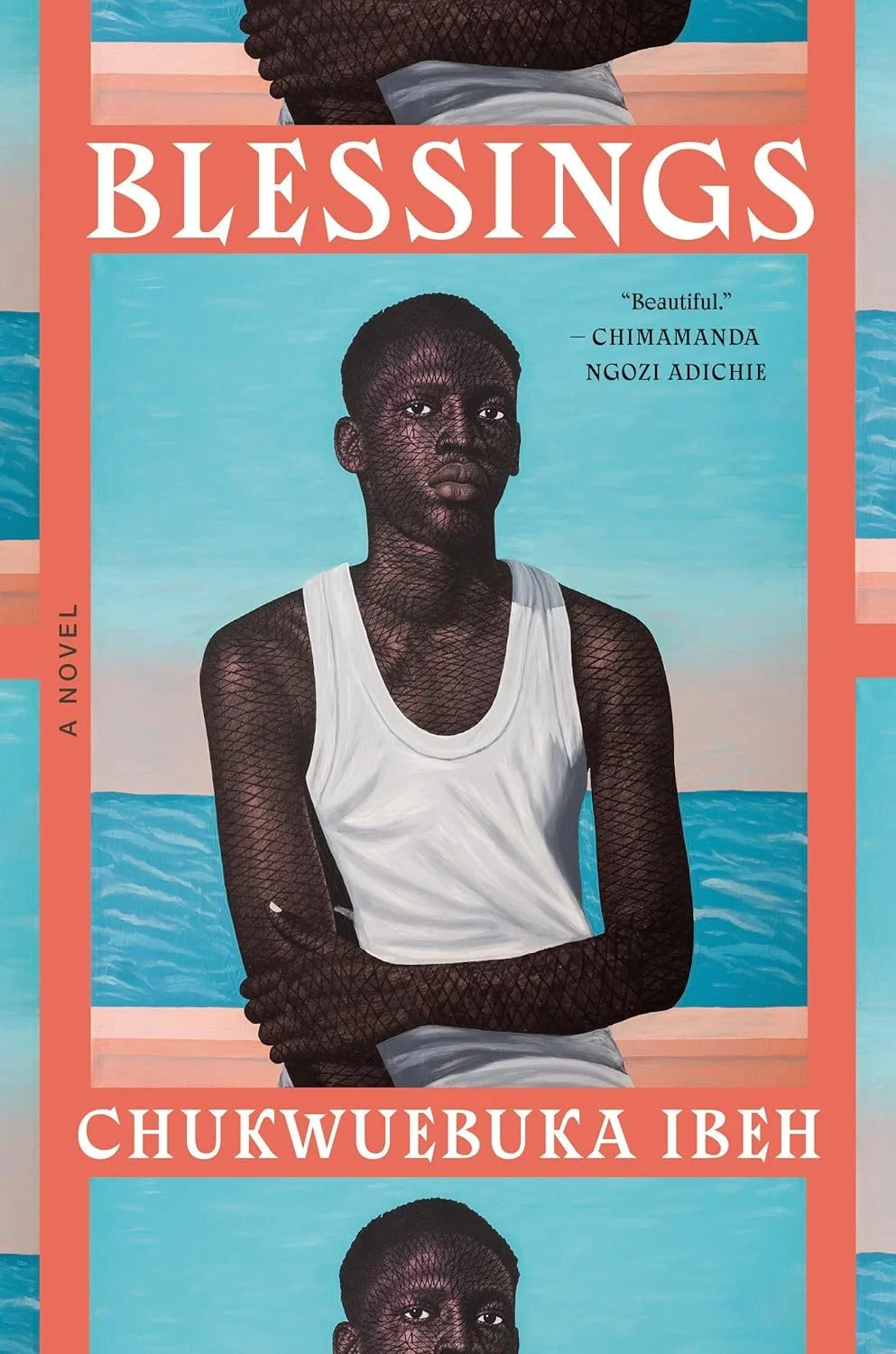
Obiefuna has always been the black sheep of his family—sensitive where his father, Anozie, is pragmatic, a dancer where his brother, Ekene, is a natural athlete. But when Obiefuna’s father witnesses an intimate moment between his teenage son and another boy, his deepest fears are confirmed, and Obiefuna is banished to boarding school.
As he navigates his new school’s strict hierarchy and unpredictable violence, Obiefuna both finds and hides who he truly is. Back home, his mother, Uzoamaka, must contend with the absence of her beloved son, her husband’s cryptic reasons for sending him away, and the hard truths that they’ve all been hiding from. As Nigeria teeters on the brink of criminalizing same-sex relationships, Obiefuna’s identity becomes more dangerous than ever before, and the life he wants drifts further out of reach.
Set in post-military Nigeria and culminating in the Same Sex Marriage Prohibition Act of 2013, Blessings is an elegant and exquisitely moving story that asks how to live freely in a country that forbids one’s truest self, and what it takes for love to flourish despite it all.
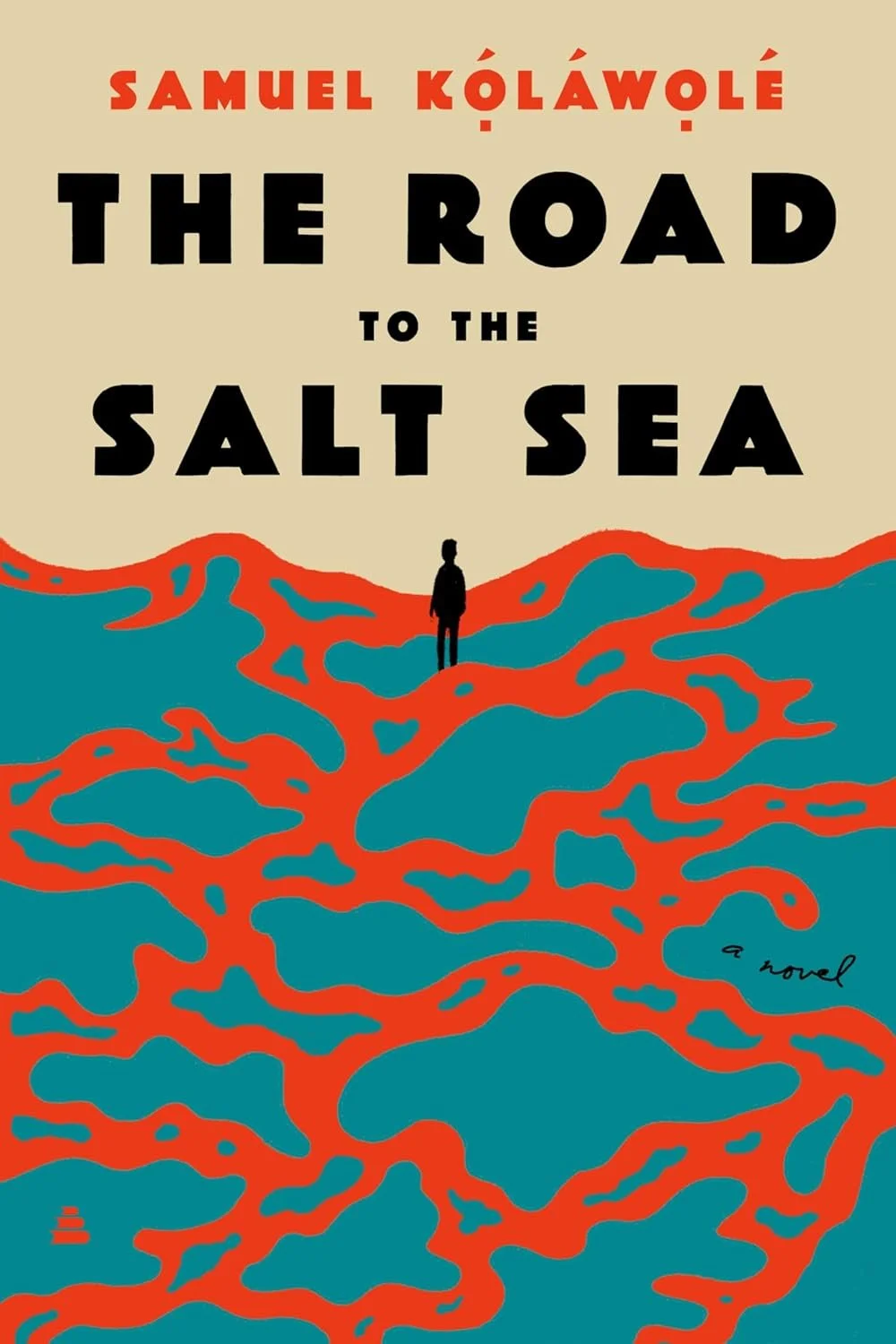
As wrenching and luminous as Omar El Akkad’s What Strange Paradise and Mohsin Hamid’s Exit West, a searing exploration of the global migration crisis that moves from Nigeria to Libya to Italy, from an exciting new literary voice.
Able God works for low pay at a four-star hotel where he must flash his “toothpaste-white smile” for wealthy guests. When not tending to the hotel’s overprivileged clientele, he muses over self-help books and draws life lessons from the game of chess.
But Able’s ordinary life is upended when an early morning room service order leads him to interfere with Akudo, a sex worker involved with a powerful but dangerous hotel guest. Suddenly caught in a web of violence, guilt, and fear, Able must run to save himself—a journey that takes him into the desert with a group of drug-addled migrants, headed by a charismatic religious leader calling himself Ben Ten. The travelers’ dream of reaching Europe—and a new life—is shattered when they fall prey to human traffickers, suffer starvation, and find themselves on the precipice of death, fighting for their lives and their freedom.
As Able God moves into the treacherous unknown, his consciousness becomes focused on survival and the foundations of his beliefs—his ideas about betterment and salvation—are forever altered. Suspenseful, incisive, and illuminating, The Road to the Salt Sea is a story of family, fate, religion, survival, the failures of the Nigerian class system, and what often happens to those who seek their fortunes elsewhere.
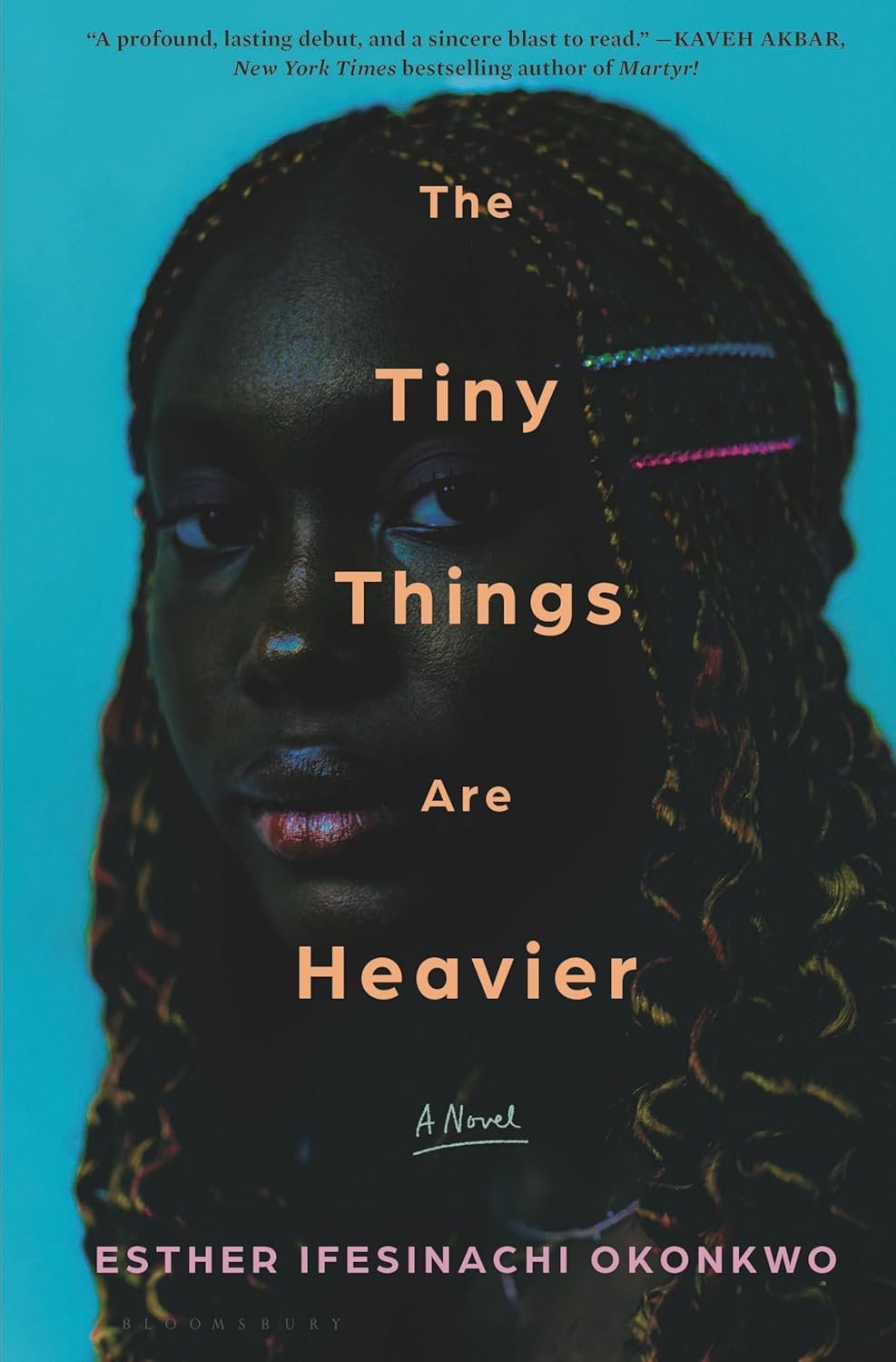
A heart-rending debut novel about a Nigerian immigrant as she tries to find her place at home and in America-a powerful epic about love, grief, family, and belonging.
The Tiny Things Are Heavier follows Sommy, a Nigerian woman who comes to the United States for graduate school two weeks after her brother, Mezie, attempts suicide. Plagued by the guilt of leaving Mezie behind, Sommy struggles to fit into her new life as a student and an immigrant. Lonely and homesick, Sommy soon enters a complicated relationship with her boisterous Nigerian roommate, Bayo, a relationship that plummets into deceit when Sommy falls for Bryan, a biracial American, whose estranged Nigerian father left the States immediately after his birth. Bonded by their feelings of unbelonging and a vague sense of kinship, Sommy and Bryan transcend the challenges of their new relationship.
During summer break, Sommy and Bryan visit the bustling city of Lagos, Nigeria, where Sommy hopes to reconcile with Mezie and Bryan plans to connect with his father. But when a shocking and unexpected event throws their lives into disarray, it exposes the cracks in Sommy's relationships and forces her to confront her notions of self and familial love.
A daring and ambitious novel rendered in stirring, tender prose, The Tiny Things Are Heavier is a captivating portrait that explores the hardships of migration, the subtleties of Nigeria's class system, and how far we'll go to protect those we love.
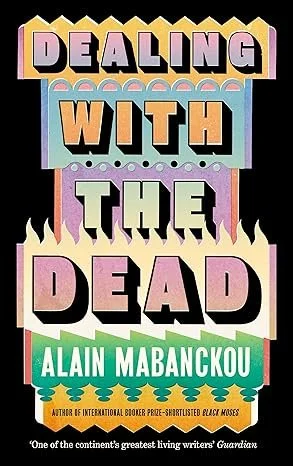
Abruptly deceased at the age of twenty-four and trapped forever in flared purple trousers, Liwa Ekimakingaï encounters the other residents of Frère Lachaise cemetery, all of whom have their own complex stories of life and death.
Unwilling to relinquish their tender bond, Liwa makes his way back home to Pointe-Noire to see his devoted grandmother one last time, against all spectral advice. But disturbing rumours swirl together with Liwa's jumbled memories of his last night on earth, leading him to pursue the riddle of his own untimely demise. A phantasmagorical tale of ambition, community and forces beyond human control, Dealing with the Dead is a scathing satire on corruption and political violence by one of the foremost chroniclers of modern Central Africa.
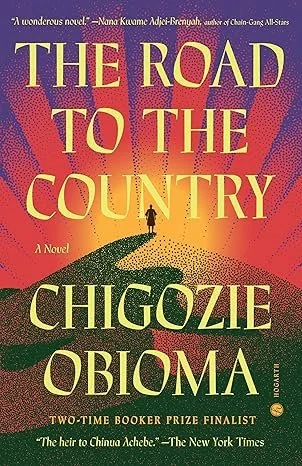
Set in Nigeria in the late 1960s, The Road to the Country is the epic story of a shy, bookish student haunted by long-held guilt who must go to war to free himself. When his younger brother disappears as the country explodes in civil war, Kunle must set out on an impossible rescue mission. Kunle’s search for his brother becomes a journey of atonement that will see him conscripted into the breakaway Biafran army and forced to fight a war he hardly understands, all while navigating the prophecies of a local Seer, he who marks Kunle as an abami eda—one who will die and return to life.
The story of a young man seeking redemption in a country on fire, Chigozie Obioma’s novel is an odyssey of brotherhood, love, and unimaginable courage set during one of the most devastating conflicts in the history of Africa. Intertwining myth and realism into a thrilling, inspired, and emotionally powerful novel, The Road to the Country is the masterpiece of Chigozie Obioma, a writer Salman Rushdie calls “a major voice” in literature.
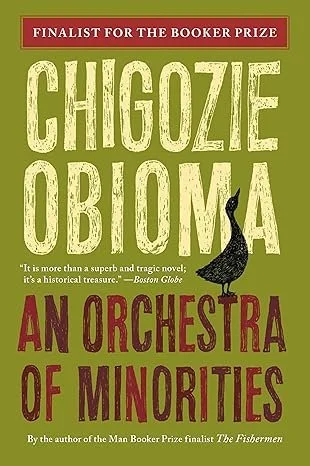
Set on the outskirts of Umuahia, Nigeria and narrated by a chi, or guardian spirit, An Orchestra of Minorities tells the story of Chinonso, a young poultry farmer whose soul is ignited when he sees a woman attempting to jump from a highway bridge. Horrified by her recklessness, Chinonso joins her on the roadside and hurls two of his prized chickens into the water below to express the severity of such a fall. The woman, Ndali, is stopped her in her tracks.
Bonded by this night on the bridge, Chinonso and Ndali fall in love. But Ndali is from a wealthy family and struggles to imagine a future near a chicken coop. When her family objects to the union because he is uneducated, Chinonso sells most of his possessions to attend a college in Cyprus. But when he arrives he discovers there is no place at the school for him, and that he has been utterly duped by the young Nigerian who has made the arrangements... Penniless, homeless, and furious at a world which continues to relegate him to the sidelines, Chinonso gets further away from his dream, from Ndali and the farm he called home.
Spanning continents, traversing the earth and cosmic spaces, and told by a narrator who has lived for hundreds of years, the novel is a contemporary twist of Homer's Odyssey. Written in the mythic style of the Igbo literary tradition, Chigozie Obioma weaves a heart-wrenching epic about destiny and determination.
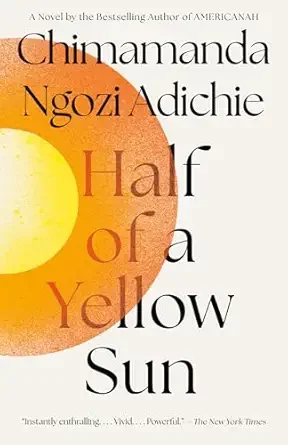
With effortless grace, celebrated author Chimamanda Ngozi Adichie illuminates a seminal moment in modern African history: Biafra's impassioned struggle to establish an independent republic in southeastern Nigeria during the late 1960s. We experience this tumultuous decade alongside five unforgettable characters: Ugwu, a thirteen-year-old houseboy who works for Odenigbo, a university professor full of revolutionary zeal; Olanna, the professor's beautiful young mistress who has abandoned her life in Lagos for a dusty town and her lover's charm; and Richard, a shy young Englishman infatuated with Olanna's willful twin sister Kainene.
Half of a Yellow Sun is a tremendously evocative novel of the promise, hope, and disappointment of the Biafran war.
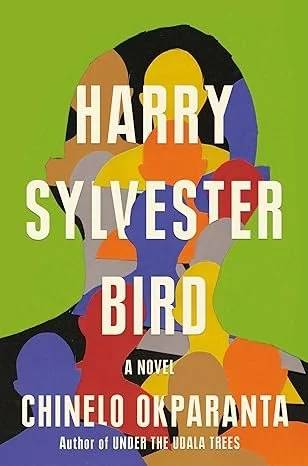
Harry Sylvester Bird grows up in Edward, Pennsylvania, with his parents, Wayne and Chevy, whom he greatly dislikes. They're racist, xenophobic, financially incompetent, and they have quite a few secrets of their own. To Harry, they represent everything wrong with this country. And his small town isn't any better. He witnesses racial profiling, graffitied swastikas, and White Power signs on his walk home from school. He can't wait until he's old enough to leave. When he finally is, he moves straight to New York City, where he feels he can finally live out his true inner self.
In the city, he meets and falls in love with Maryam, a young Nigerian woman. But when Maryam begins to pull away, Harry is forced to confront his identity as he never has before—if he can.
Brilliant, funny, original, and unflinching, Harry Sylvester Bird is a satire that speaks to all the most pressing tensions and anxieties of our time—and of the history that has shaped us and might continue to do so.
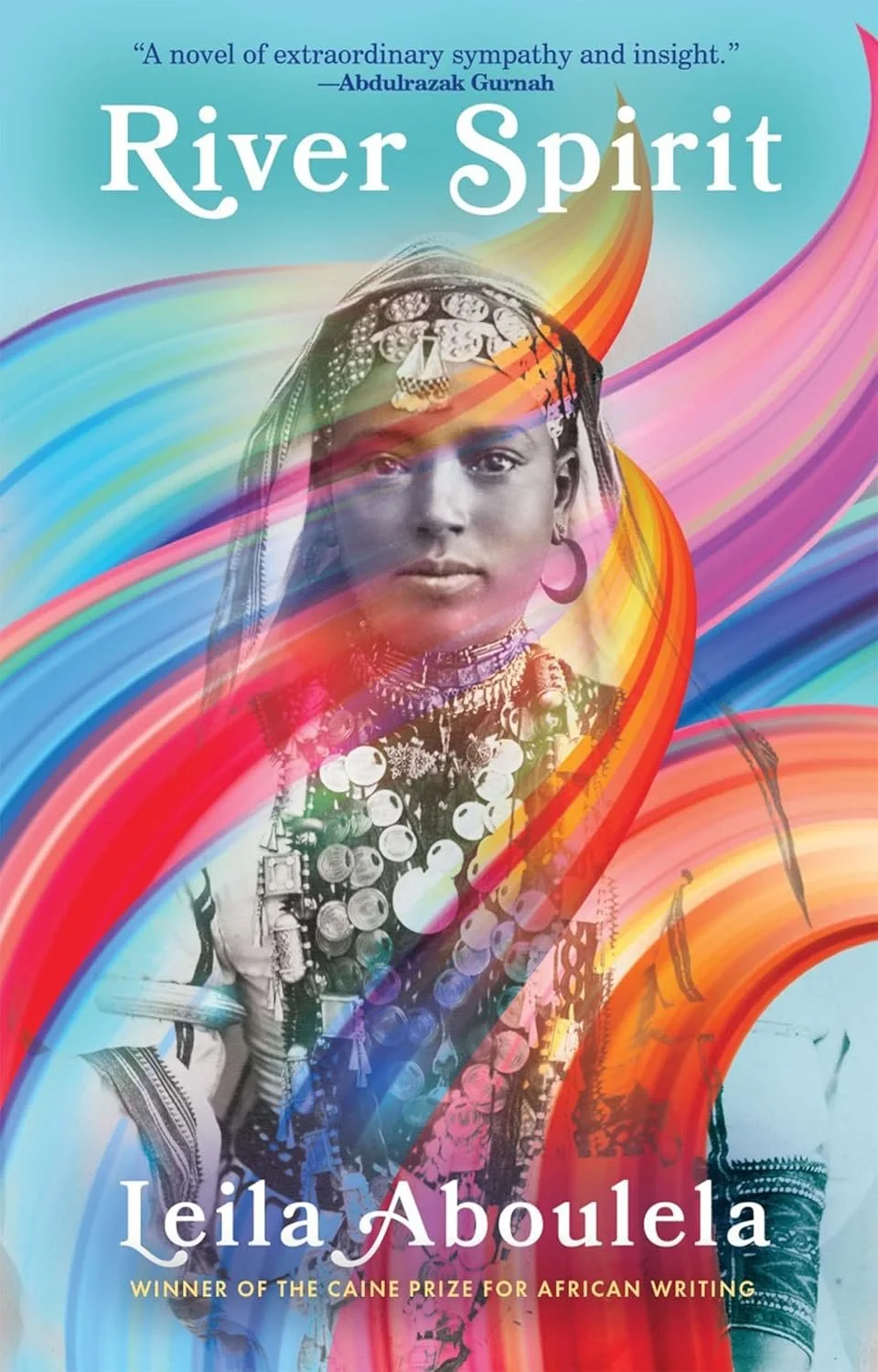
In River Spirit, Aboulela gives us the unforgettable story of a people who—against the odds and for a brief time—gained independence from foreign rule through their willpower, subterfuge, and sacrifice.
When Akuany and her brother Bol are orphaned in a village raid in South Sudan, they’re taken in by a young merchant Yaseen who promises to care for them, a vow that tethers him to Akuany through their adulthood. As a revolutionary leader rises to power - the self-proclaimed Mahdi, prophesied redeemer of Islam - Sudan begins to slip from the grasp of Ottoman rule, and everyone must choose a side. A scholar of the Qur’an, Yaseen feels beholden to stand against this false Mahdi, even as his choice splinters his family. Meanwhile, Akuany moves through her young adulthood and across the country alone, sold and traded from house to house, with Yaseen as her inconsistent lifeline. Everything each of them is striving for - love, freedom, safety – is all on the line in the fight for Sudan.
Through the voices of seven men and women whose fates grow inextricably linked, Aboulela’s latest novel illuminates a fraught and bloody reckoning with thehistory of a people caught in the crosshairs of imperialism. River Spirit is a powerful tale of corruption, coming of age, and unshakeable devotion – to a cause, to one’s faith, and to the people who become family.
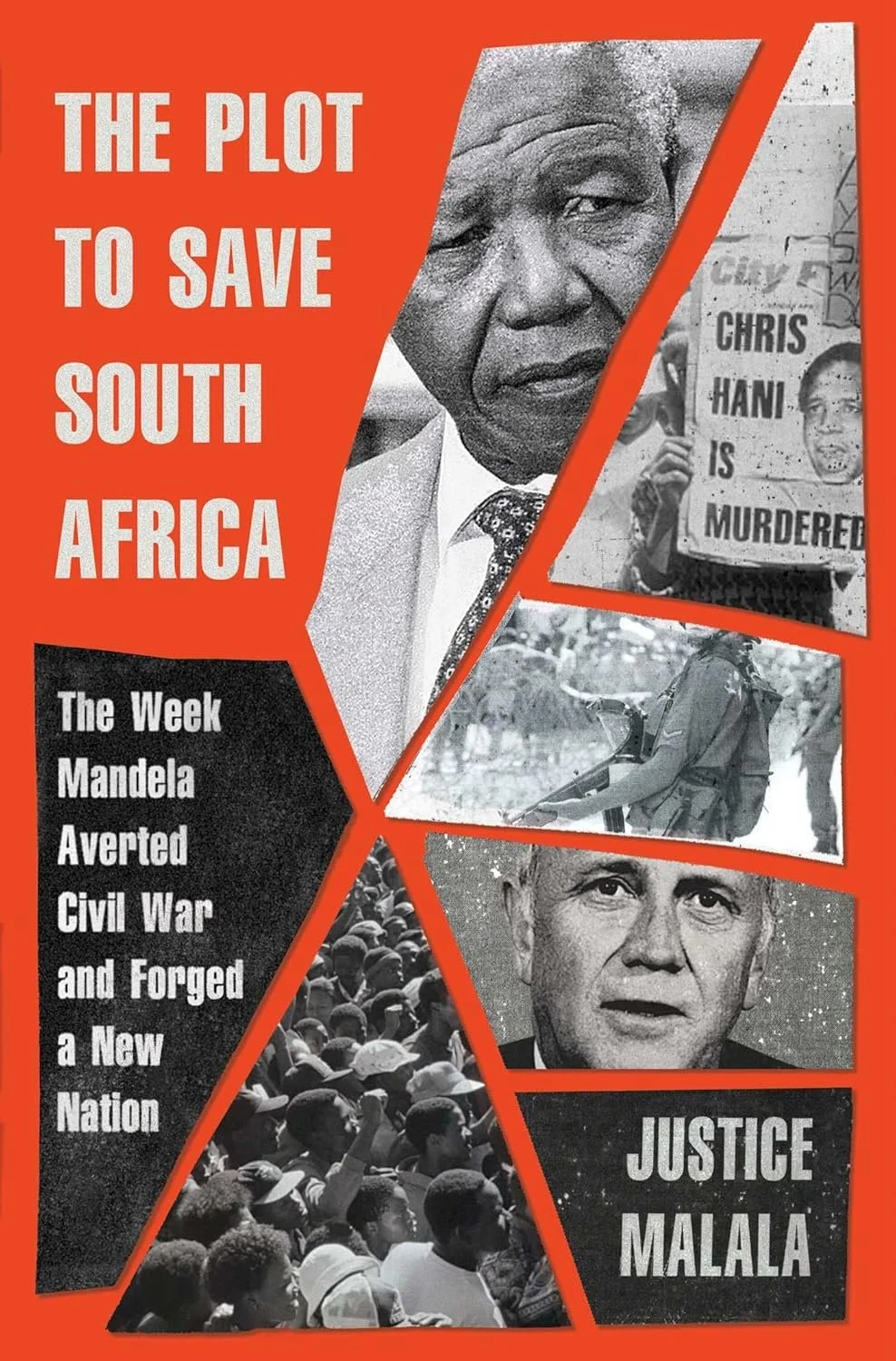
Johannesburg, Easter weekend, 1993. Nelson Mandela had been released after twenty-seven years in prison and was in power sharing talks with President F.W. de Klerk. After decades of resistance, the apartheid regime seemed poised to fall…until a white supremacist shot and killed Mandela’s popular heir apparent, Chris Hani, in a last desperate attempt to provoke civil war.
Twenty-two-year-old rookie journalist Justice Malala was one of the first people at the crime scene. And as he covered the growing chaos of the next nine days—the protests and police brutality, reprisal killings and calls for paramilitary units to get combat-ready—he was terrified the assassin’s plot might succeed.
In The Plot to Save South Africa, Malala “masterfully” (Foreign Affairs) unspools this political history in the style of a thriller, alternating between the perspectives of participants across the political spectrum in a riveting, kaleidoscopic account of a country on the brink. Through vivid archival research and shocking original interviews, he digs into questions that were never fully answered in all the tumult at the time: How involved were far-right elements within the South African government in inciting—or even planning—the assassination? And as the time bomb ticked on, how did these political rivals work together with opponents whose ideology they’d long abhorred—despite provocation and their own failures, doubts, and fears—to keep their country from descending into civil war?
When he was just a boy, Ilyas was stolen from his parents on the coast of east Africa by German colonial troops. After years away, fighting against his own people, he returns home to find his parents gone and his sister, Afiya, abandoned into de facto slavery. Hamza, too, returns home from the war, scarred in body and soul and with nothing but the clothes on his back–until he meets the beautiful, undaunted Afiya. As these young people live and work and fall in love, their fates knotted ever more tightly together, the shadow of a new war on another continent falls over them, threatening once again to carry them away.
A captivating, fictionalized retelling of African linguist and clergyman Samuel Ajayi Crowther's miraculous journey from slave to liberator.
“Run, Àjàyí, run!”
When Malian slave traders invaded the Nigerian town of Òsogùn, thirteen-year-old Àjàyí's life is split in two.
Before, there was his childhood, surrounded by friends and family, watched over by the ancient Yorùbá gods of forest and water, earth and sky.
After, there was capture, slavery—and eventually release—with Àjàyí, left transfigured, unrecognizable, and now, inthe service of a new god, with a new name and a culture different from the one left far behind. Àjàyí becomes Samuel Crowther—missionary, linguist, minister, and eventually abolitionist, driven to negotiate against his own people to end the evil trade in human beings which destroyed his family and transformed his own life.
Drawing on the prolific writings of Samuel Ajayi Crowther, novelist and filmmaker Biyi Bándélé creates a many-voiced, kaleidoscopic portrait of an extraordinary man. From the heart-stopping drama of Àjàyí's last day of freedom to the farcical intrigue of the Òsogùn court; from a meeting with Queen Victoria to consecration as the first African Bishop of the Anglican Church, Samuel Ajayi Crowther’s journey, like all great odysseys, circles back to where he began. By turns witty, moving and revolutionary, Biyi Bándélé's reimagining of Crowther's life is a brilliant tour de force.
In The New Tribe, pioneering author Buchi Emecheta tells the tale of a young Nigerian boy adopted by a white family.
Life changes overnight for the Arlingtons when an abandoned baby girl, Julia, arrives unexpectedly on their doorstep. The couple take her in and settle into family life. But then, just two years later, their lives change once again when they are told a Nigerian mother is in desperate need of a loving home for her baby boy, Chester. Instantly marked as different from the other children in his school – and even from his own family – Chester's pain and confusion at growing up an outcast ignites in him a desire to find out about his biological family.
In this poignant, heartwarming story of Chester's journey through childhood, Buchi Emecheta weaves together a tale of love and acceptance while illuminating the vital importance of self-discovery.
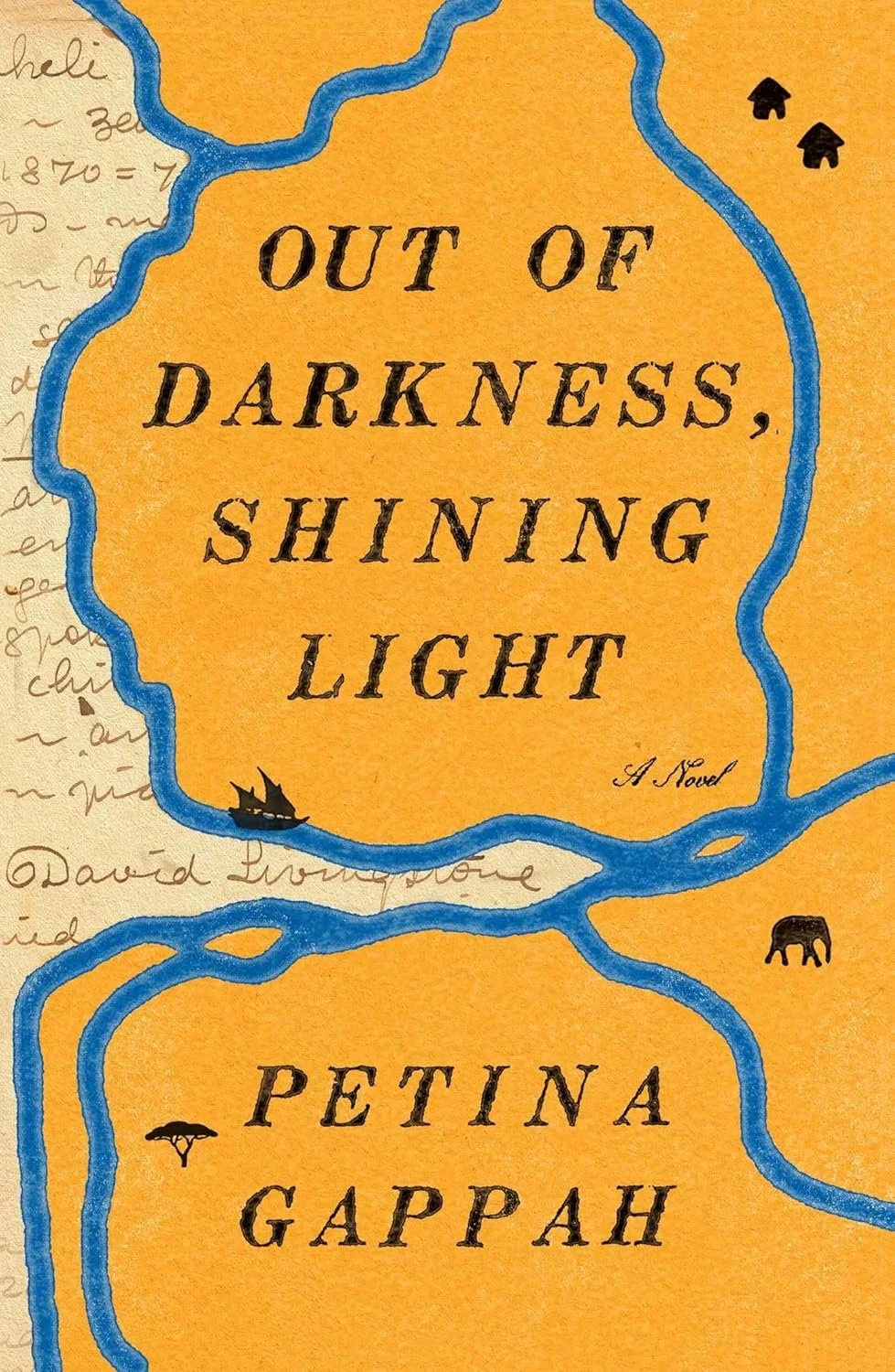
“This is how we carried out of Africa the poor broken body of Bwana Daudi, the Doctor, David Livingstone, so that he could be borne across the sea and buried in his own land.” So begins Petina Gappah's powerful novel of exploration and adventure in nineteenth-century Africa—the captivating story of the loyal men and women who carried explorer and missionary Dr. Livingstone's body, his papers and maps, fifteen hundred miles across the continent of Africa, so his remains could be returned home to England and his work preserved there. Narrated by Halima, the doctor's sharp-tongued cook, and Jacob Wainwright, a rigidly pious freed slave, this is a story that encompasses all of the hypocrisy of slavery and colonization—the hypocrisy at the core of the human heart—while celebrating resilience, loyalty, and love.